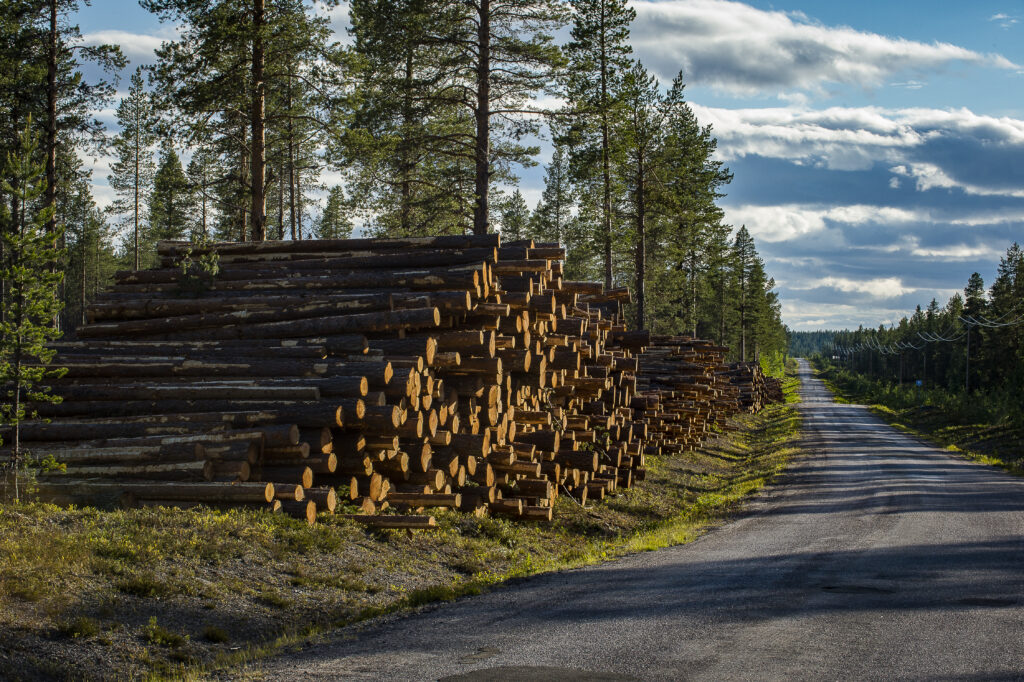
What is nature worth? Some scientists reach for numbers to make the case for conservation, calculating nature’s contributions to economic prosperity and well-being. Others focus on narratives, gathering people’s stories about what wild spaces mean to our identity and culture.
A new team funded by the Science for Nature and People Partnership, or SNAPP, is doing both.
The Nature Assessments for Impact working group – an interdisciplinary team of scientists, conservation practitioners and policy experts – is conducting the first national assessment of ecosystem services, the benefits and resources that nature provides freely to people. The assessment will provide a snapshot of how natural and public working lands support the U.S. economy, human health, cultural heritage and quality of life.
“This has been missing from our understanding of the importance of our natural lands in the U.S., both public and private, and we wanted to fill that gap,” said Becky Chaplin-Kramer, Global Biodiversity Lead Scientist with the World Wildlife Fund and one of the group’s principal investigators.
Over 15 months, the working group, part of the inaugural SNAPP Innovation Hub, will use a combination of data, surveys and interviews to assess and map the ways in which natural lands and waters enhance life and prosperity in the U.S.
The assessment complements the work of The Nature Record, an initiative to complete and release results from the U.S. National Nature Assessment, a yearslong effort that was halted abruptly in early 2025.
Measuring and communicating the value of natural lands are key steps to conserving them for the future.
“What we’re trying to do in this working group is make a better case for nature and why people should care about it,” said Philip Loring, Global Director of Human Dimension Science at The Nature Conservancy. “You can talk in terms of dollars, people benefiting, or other values. What we’re still trying to make sense of is which of those resonates most.”
Loring and Danielle Ignace of the University of Minnesota are also co-principal investigators of the group. SNAPP’s Innovation Hub is a joint effort with TNC, the Wildlife Conservation Society and the Doris Duke Foundation to develop strategies for a more nature-positive future in the U.S.
© Ola Jennersten / WWF-Sweden
Mapping the wealth and health wild spaces provide
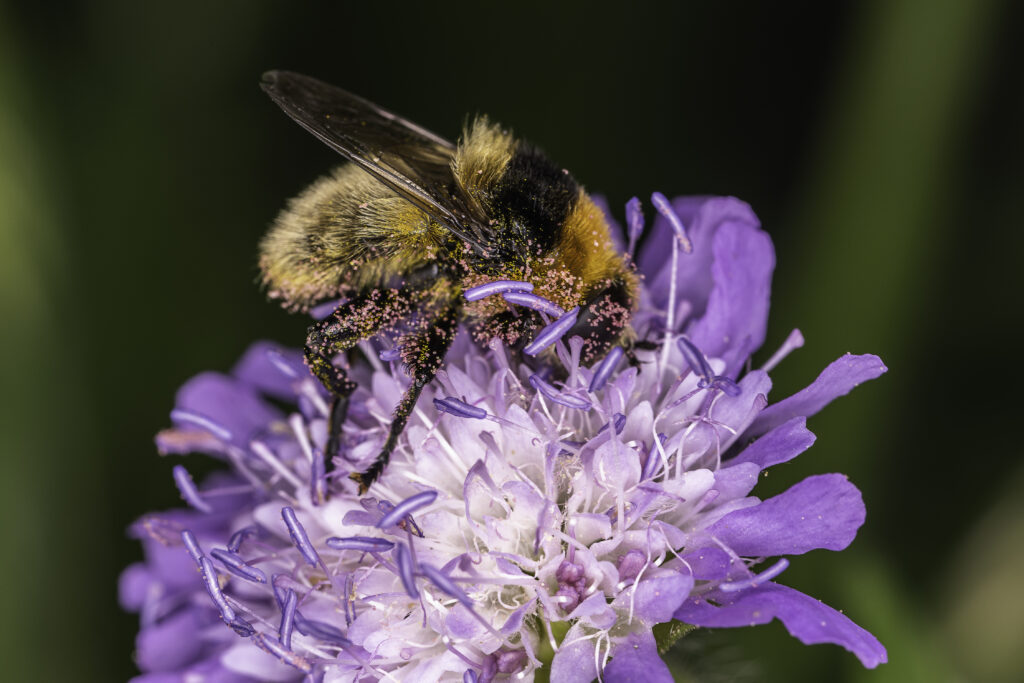
In the project’s first phase, the Nature Assessments for Impact working group will synthesize and map existing datasets for a range of ecosystem services, such as air and water quality, pollination, timber and coastal protection, filling in select data gaps along the way. They will also examine the health benefits of green spaces, such as their ability to lower hypertension and heat stress. The assessment will also attempt to go beyond statistics to include more subjective valuations of nature, such as the meaningfulness of a particular piece of land or waterway to a community’s identity or how wild spaces help connect people to one another.
Spearheading the data sprint is SNAPP Quantitative Research Fellow Jahnelle Howe. Over six months, Howe will track down, assemble and map 14 datasets of ecosystem services into a common framework. Trying to wrangle all existing ecosystem-service data in such a short timeframe would be far from feasible, Howe said. She worked to help the group stay realistic about what it could accomplish, as members drew up an initial list and developed workflows and methods for each dataset.
“It’s quality over quantity, which is why we had to narrow it down to make sure that we can at least hit the main ecosystem-services buckets,” Howe said. “It’s also important to make sure that everything that we’re doing is translatable to a regular, everyday person. They should be able to pick up the report and know what we’re talking about.”
Test driving the assessment with the public
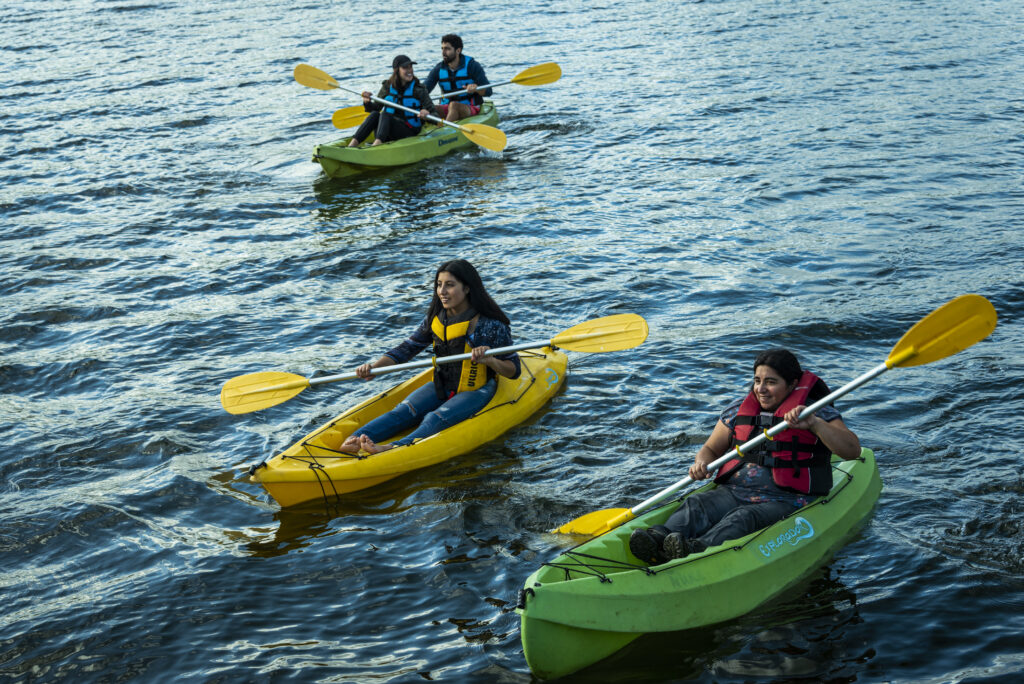
In the second phase, the group will evaluate people’s responses to the assessment and related ones – a test drive that aims to gauge how numbers and narratives shape public perceptions of nature. The goal is to gain insights into how to make assessments easier to understand, access and use for local conservation decision-making and policy.
SNAPP Qualitative Research Fellow Helen Cheng will review scientific studies of how people use nature assessments and then collect information on how the public responds to the results from the group’s first phase, focusing on listening to tribal communities.
“As a scientist, you want to communicate your data so that it’s usable,” Cheng said. “No one wants something they spent so much time and energy on to end up on the shelf. Understanding how people use that data is something we’re trying to figure out.”
Loring said the mounting challenges posed by climate change and biodiversity loss over the last few decades spurred the scientific community to focus on informing environmental policy at the federal level. But even when federal policy is deadlocked, progress on environmental issues can move forward at local levels. This is where Loring sees opportunities for the Nature Assessments for Impact group to help.
“I think we need to back up and ask some of these fundamental questions again about how to make science work for policy, but at these much more local, almost bespoke, levels,” he said. “That’s the challenge.”
Better understanding how nature assessments can galvanize conservation efforts on the ground will help the group develop a strategy guide for local advocacy groups, environmental managers and tribal councils.
“We have an opportunity to create a playbook on the ways you can adapt and respond to local circumstances, conservation needs, challenges and principles, whether you’re a tribal community in Idaho or a watershed association in Maine,” Loring said.
Chaplin-Kramer emphasized the group’s work is a starting point, not an ending one.
“We don’t have a predetermined vision of where this will end up because part of the goal is that we should be tailoring it to the needs that emerge.”